What water heater repair involves, and why Buckeye's hard water changes the math
A water heater in Buckeye works against one of the most demanding water supplies in the Phoenix metro. The groundwater the City of Buckeye draws on almost exclusively runs at 15 to 30 grains per gallon of dissolved minerals. Inside a tank-style heater, those minerals fall out of solution as the water heats and accumulate as scale on the heating elements and at the tank bottom. Over time, the scale layer insulates the element from the water, forcing the heater to run longer and hotter to maintain temperature, consuming more energy and accelerating internal corrosion.
The practical result is a shortened lifespan. Many Buckeye homeowners see tank water heaters fail in 6 to 9 years rather than the 12-plus-year lifespan the manufacturer rates the unit for. Early failure, higher energy bills, running out of hot water faster than expected, and rumbling or popping sounds during heat cycles are all connected to the same cause: Buckeye's hard water attacking the heater from the inside.
Some of these problems are repairable. Others indicate that repair costs are approaching or exceeding replacement value. We diagnose honestly and give you both options with costs before recommending a direction.
How we diagnose water heater problems
Different failure modes produce different symptoms. We diagnose systematically before recommending any specific repair.
Sediment and scale assessment
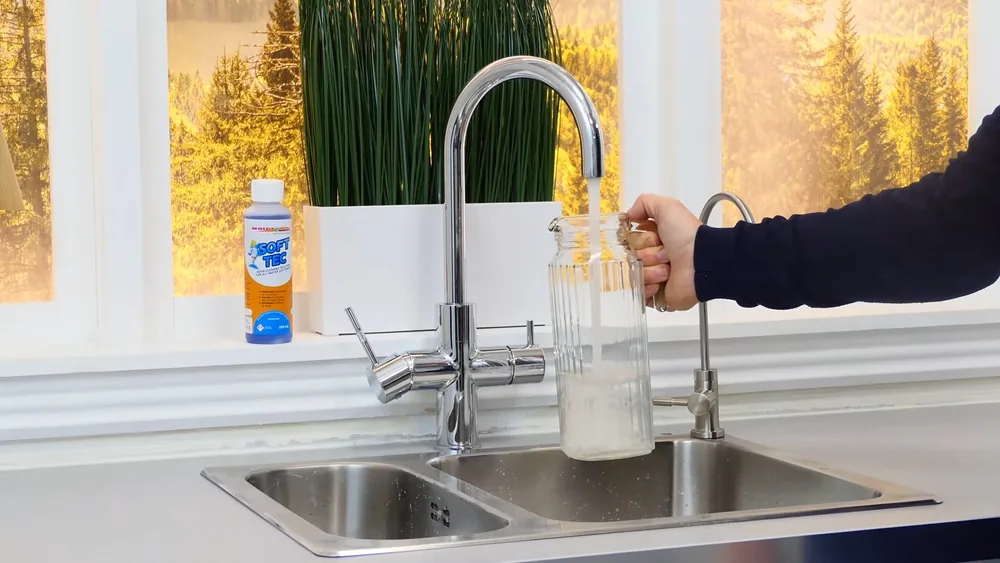
We open the drain valve and flush a sample from the tank to check sediment level and type. White or chalky sediment is mineral scale from hard water. Brown or rust-colored sediment indicates internal tank corrosion. The amount and color of the sediment tells us whether a flush will help or whether internal corrosion has progressed to the point where the tank should be replaced. For units under 7 years old with mineral scale but no corrosion, a full flush typically restores performance.
Anode rod inspection
The sacrificial anode rod is the first line of defense against internal corrosion. A new rod is about 1 inch in diameter and the length of the tank. When the rod has been consumed by the process of protecting the steel tank, internal corrosion accelerates rapidly. We pull the rod, measure its remaining diameter, and assess whether replacement will protect the tank for another several years. A replaced anode rod typically costs $150 to $250 in labor and materials.
T&P relief valve and pressure testing
The temperature and pressure relief valve is a safety device that releases pressure if the tank overheats or if pressure builds above a safe threshold. A T&P valve that drips, has a mineral buildup at the discharge point, or has previously discharged unexpectedly needs to be replaced. We also check the expansion tank if your home has a closed plumbing system, since a failed expansion tank raises internal heater pressure and stresses the T&P valve unnecessarily.
Heating element and thermostat testing (electric heaters)
Electric water heaters have two heating elements, upper and lower, each controlled by its own thermostat. A failed element produces inadequate hot water or no hot water at all. We test each element and thermostat with a multimeter to determine which component has failed before ordering parts. In most cases, a single failed element can be replaced in 1 to 2 hours at a cost of $200 to $400 in parts and labor.
Repair methods we use
Sediment flush
A full sediment flush involves connecting a hose to the drain valve, flushing mineral sediment from the tank bottom, cleaning the drain valve if it's stuck from scale, and running a slow fill to stir and expel remaining sediment. For Buckeye homes without a water softener, we typically flush 15 to 30 gallons to clear accumulated scale. A flush takes 30 to 45 minutes and costs $100 to $200. It is most effective on units under 7 years old; by 8 to 10 years, the scale in Buckeye water conditions is often too advanced for a flush alone to restore normal performance.
Anode rod replacement
Replacing an exhausted anode rod restores the sacrificial protection that slows internal corrosion. For units in the 4 to 8 year range that have healthy tank walls but a depleted rod, anode replacement extends the useful life of the heater significantly. We replace the rod and recommend a schedule for the next inspection based on your water hardness and household usage.
T&P valve replacement
A dripping or previously discharged T&P valve is replaced with a new unit rated for the heater's working pressure and temperature. This is a safety repair, not optional. If the expansion tank has also failed, we replace it at the same visit to address the root cause of the pressure excursion.
Pilot assembly, gas valve, and thermocouple (gas heaters)
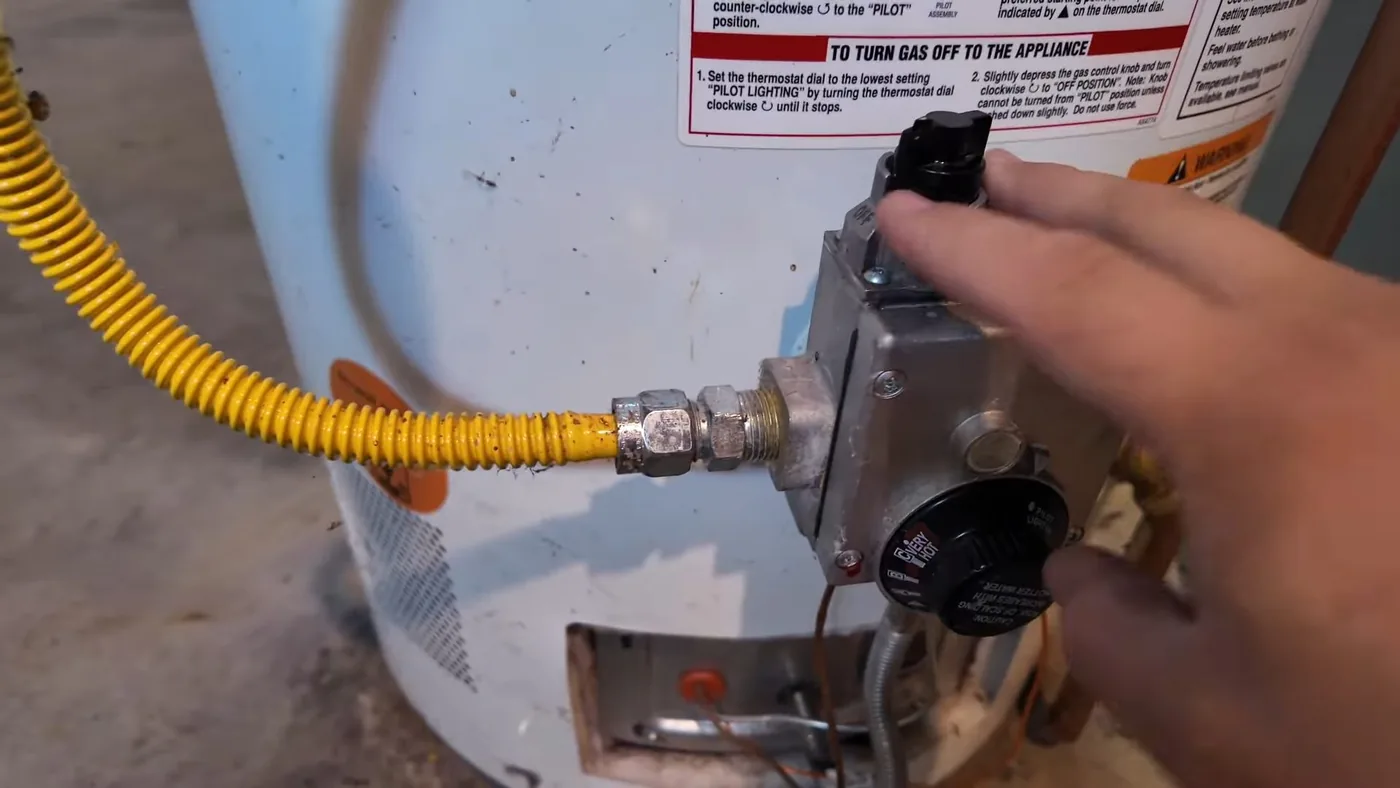
Gas water heaters that won't stay lit, have a pilot that keeps going out, or produce insufficient heat typically have thermocouple, gas valve, or pilot orifice issues. We test the thermocouple with a millivolt meter, inspect the pilot orifice for scale blockage, and test gas valve function before replacing components. Thermocouples and pilot assemblies are inexpensive repairs; gas valve replacement approaches the cost of a new heater on older units.
Cost of water heater repair in Buckeye
Typical price ranges (2026)
| Repair Type | Typical Range | Notes |
|---|---|---|
| Sediment flush | $100–$200 | Most effective on units under 7 years old; 30-45 minute service |
| Anode rod replacement | $150–$300 | Extends tank life significantly for units with no active corrosion |
| T&P valve replacement | $125–$250 | Includes safety test and expansion tank check |
| Heating element replacement (electric) | $200–$400 | Per element; thermostat tested at same time |
| Thermocouple / pilot assembly (gas) | $150–$350 | Includes full pilot system inspection |
| Gas valve replacement | $300–$600 | Consider replacement if unit is 8+ years old |
Our general guideline: if the repair cost exceeds 50 percent of replacement cost on a unit 8 or more years old, replacement provides better long-term value. We'll give you both the repair and replacement price at the service call so you can decide. We never push replacement to create a larger ticket.
We also handle full water heater replacement, tankless water heater service and descaling, and water softener installation to protect your new heater from the same hard water damage.
Frequently asked questions about water heater repair in Buckeye
Why do water heaters fail faster in Buckeye than the national average?
Buckeye groundwater runs at 15 to 30 GPG of dissolved minerals, well above the national average. These minerals accumulate as scale inside tank heaters, insulating the heating element, forcing the heater to work harder, and accelerating internal corrosion. Many Buckeye homeowners see tank heaters fail in 6 to 9 years rather than the 12-plus-year lifespan common in softer-water markets.
What are the signs my water heater needs repair?
Rumbling or popping sounds from the tank indicate sediment buildup. Discolored or rust-colored hot water suggests internal corrosion. Running out of hot water faster than usual, or longer recovery times, often indicate sediment has reduced the effective tank capacity. Any visible moisture around the base of the tank or at supply line connections warrants immediate inspection.
Is it worth repairing a water heater or should I replace it?
If the heater is under 6 years old and the repair costs less than 50 percent of replacement cost, repair usually makes sense. If the unit is 8 or more years old and needs a major repair, replacement often provides better long-term value, particularly since newer units are more energy-efficient. We give you both options with costs at the service call and don't push the more expensive option.
Will a water softener extend my water heater's life in Buckeye?
Yes, significantly. A properly sized ion-exchange softener removes the calcium and magnesium that otherwise accumulate as scale inside the tank. Homeowners who install a softener before or alongside a new heater consistently get closer to the manufacturer's rated lifespan rather than the shortened 6 to 9 years common in untreated Buckeye water.
How often should I flush my water heater in Buckeye?
For homes without a water softener, we recommend flushing at least once a year. Buckeye's hard water accelerates sediment accumulation, so annual flushing prevents scale from building up to the point where it's difficult to remove. For homes with a water softener, every 18 to 24 months is typically adequate.
Related Services
Plumbing in your area
Water heater repair in Buckeye and the West Valley
Free estimate before any work. Honest repair-versus-replace guidance based on your unit's actual condition. Serving Buckeye, Goodyear, Avondale, Surprise, Sun City Festival, and the surrounding West Valley.
(623) 284-0371