What backflow testing is and why Buckeye requires it annually
Backflow is the reversal of water flow in a plumbing system. Under normal conditions, water flows from the municipal supply into your home at positive pressure. Backflow can occur when that pressure relationship reverses, which can happen during pressure drops in the municipal system, from elevation differences, or from suction created by an appliance. If a backflow condition occurs at a cross-connection, meaning a point where the potable supply is connected to non-potable water or chemicals, contamination can enter the public water supply.
City of Buckeye Water Resources and Arizona Administrative Code Rule R18-4-215 require annual testing of backflow prevention assemblies at all regulated connections. This includes irrigation system connections, pool and spa auto-fills, commercial connections, and any connection where cross-connection hazard exists. Property owners receive annual notification letters from the City of Buckeye Water Resources Division when their assembly is due for testing. Failure to complete testing by the deadline can result in non-compliance notices and, in continued non-compliance cases, service interruption.
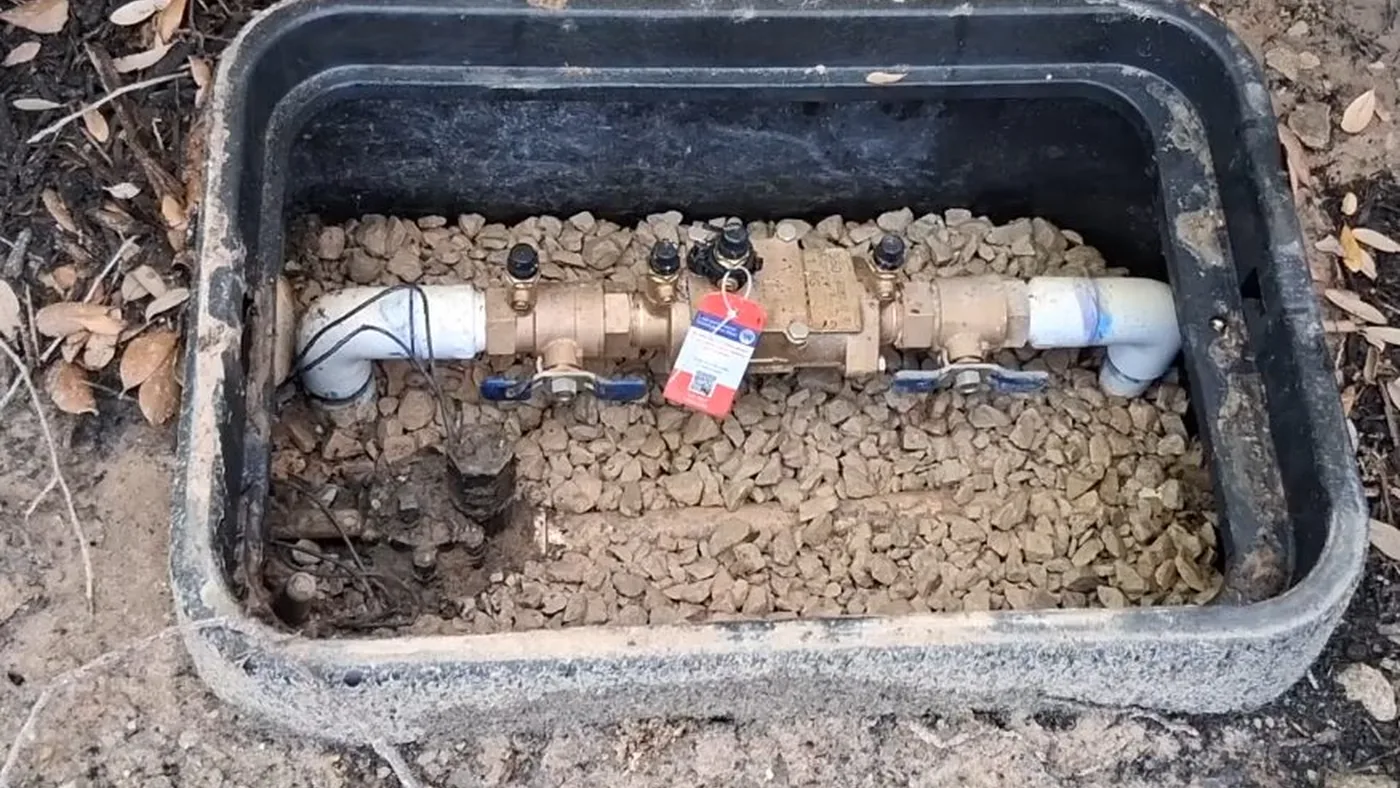
The testing requirement exists because a Reduced Pressure (RP) backflow prevention assembly contains mechanical components that can fail silently. An assembly that looks intact externally may not be functioning correctly. Annual testing by an ADEQ-certified tester using calibrated differential pressure gauge equipment is the only way to confirm the assembly is providing the protection it's designed to provide.
How backflow assembly testing works
Assembly location and visual inspection
We locate the RP assembly at the connection being tested. On residential properties, this is typically in a valve box near the irrigation supply connection, at the pool or spa auto-fill supply, or at the main service entry for commercial connections. We visually inspect the assembly for physical damage, corrosion, and proper installation before attaching test equipment.
Differential pressure gauge testing
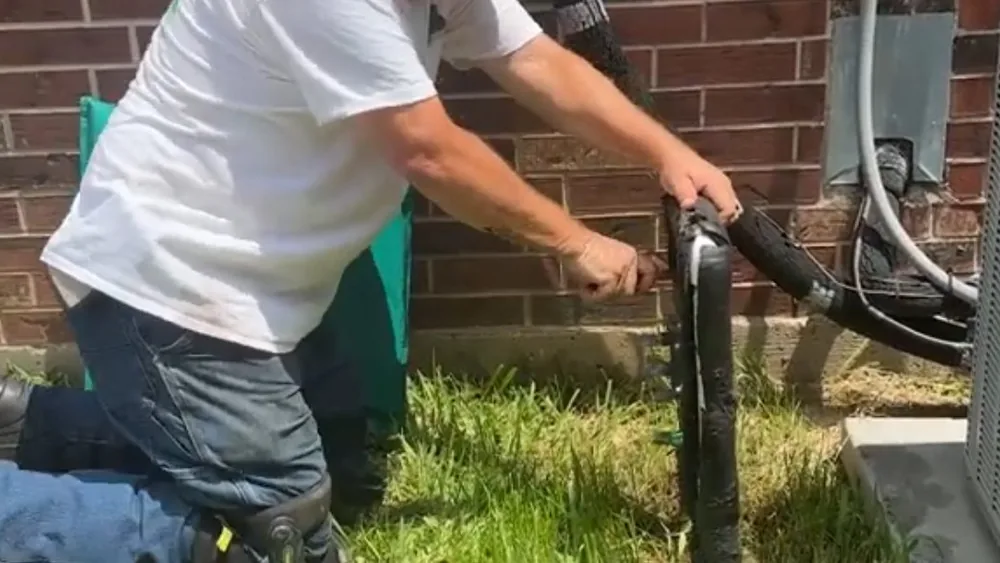
An ADEQ-certified tester uses a calibrated differential pressure gauge kit to test both check valves of the RP assembly and the pressure differential relief valve. The test measures the opening differential pressure of each check valve and confirms the relief valve opens at the correct differential. Each check valve must open at or above the minimum differential specified by the assembly manufacturer and ADEQ standards. A relief valve that opens too early or a check valve that won't hold differential is a failed test.
Test report submission
After testing, we complete the required backflow prevention assembly test report and submit it directly to the City of Buckeye Water Resources Division. You receive a copy of the submitted report for your records. The report documents the assembly make, model, serial number, test readings, pass or fail result, and any repairs performed if the assembly failed. Submission typically occurs the same day as the test.
What we do when an assembly fails the test
In-field repair of failed assemblies
When an RP assembly fails the test, we assess whether the failure is a check valve rubber seat that can be replaced in the field or a more significant internal component failure. Many RP assembly failures in Buckeye are caused by debris fouling the check valve seats or by rubber seat deterioration from mineral-rich water. We carry common repair parts for standard RP assembly brands and can often repair and re-test the assembly at the same appointment.
Assembly replacement
When an RP assembly is beyond repair, has been damaged beyond refurbishment, or has reached the end of its service life, we replace it with a new ADEQ-listed assembly of the correct size and type for the connection. Assembly replacement requires a City of Buckeye plumbing permit. We pull the permit, install the new assembly, and perform the initial test before reporting to the city.
New backflow assembly installation
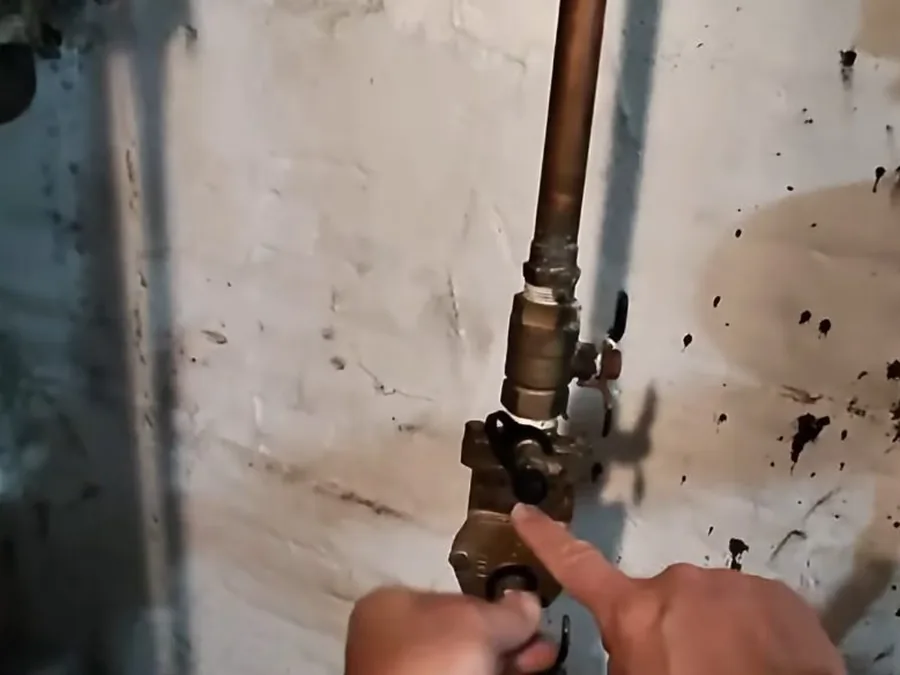
New irrigation systems, pool auto-fills, and other regulated connections in Buckeye require an approved backflow prevention assembly at installation. We size and install the correct assembly type for the application, pull the required permit, and perform the initial test. For residential irrigation, a Double Check Valve assembly or RP assembly may be required depending on the hazard level of the connected irrigation system.
Cost of backflow testing and prevention in Buckeye
Typical price ranges (2026)
| Service | Typical Range | Notes |
|---|---|---|
| Annual RP assembly test and report | $75–$150 | Per assembly; includes ADEQ-certified testing and City of Buckeye report submission |
| Assembly repair (in-field, rubber seats) | $100–$300 | Performed at same visit as failed test when possible |
| RP assembly replacement | $400–$900 | New ADEQ-listed assembly; permit included |
| New backflow assembly installation | $350–$800 | For new irrigation, pool auto-fill, or commercial connections |
Multiple assembly testing at the same property is discounted from single-assembly pricing. We submit test reports to the City of Buckeye Water Resources Division directly; you don't need to do this separately.
Related: pool leak detection and repair for pool-adjacent plumbing, water line repair for supply line issues near backflow assemblies, and commercial plumbing for businesses with multiple regulated connections.
Frequently asked questions about backflow testing in Buckeye
Who in Buckeye is required to have annual backflow testing?
City of Buckeye Water Resources annually notifies property owners whose connections require testing under city code and ADEQ Rule R18-4-215. This typically includes properties with irrigation systems connected to the potable supply, residential pools and spa auto-fills, commercial and industrial connections, and fire suppression systems. If you received a notification letter from the City of Buckeye, testing is required.
What is a Reduced Pressure assembly and why does it need annual testing?
An RP backflow prevention assembly uses two spring-loaded check valves and a relief valve to prevent water from flowing backward into the potable supply. Annual testing is required under ADEQ Rule R18-4-215 and City of Buckeye code because the mechanical components can fail without external signs. An untested assembly may not prevent backflow even if it appears intact.
What happens if I miss the backflow testing deadline in Buckeye?
Failure to complete required testing by the City of Buckeye deadline can result in a non-compliance notice and, in continued non-compliance cases, potential water service interruption. If you've received a non-compliance notice, call us for a priority testing appointment and same-day report submission to restore compliance.
Does my pool auto-fill require a backflow test in Buckeye?
Yes. Pool and spa auto-fill connections to the City of Buckeye water supply typically require a backflow prevention assembly and annual testing. Pool water creates a potential cross-connection hazard. If you have a pool with an auto-fill connected to city water, you should receive an annual testing notice.
Who can perform backflow testing in Buckeye, AZ?
Backflow prevention assembly testing must be performed by a tester holding a current ADEQ backflow prevention assembly tester certification. The tester uses calibrated differential pressure gauge equipment. Results must be reported to the City of Buckeye Water Resources Division on the required test report form.
Related Services
Plumbing in your area
Backflow testing in Buckeye and the West Valley
ADEQ-certified testing and same-day report submission to City of Buckeye. Annual testing, assembly repair, and new installation. Serving all Buckeye ZIP codes and the surrounding West Valley.
(623) 284-0371