What pool leaks are, and why they matter more in Buckeye
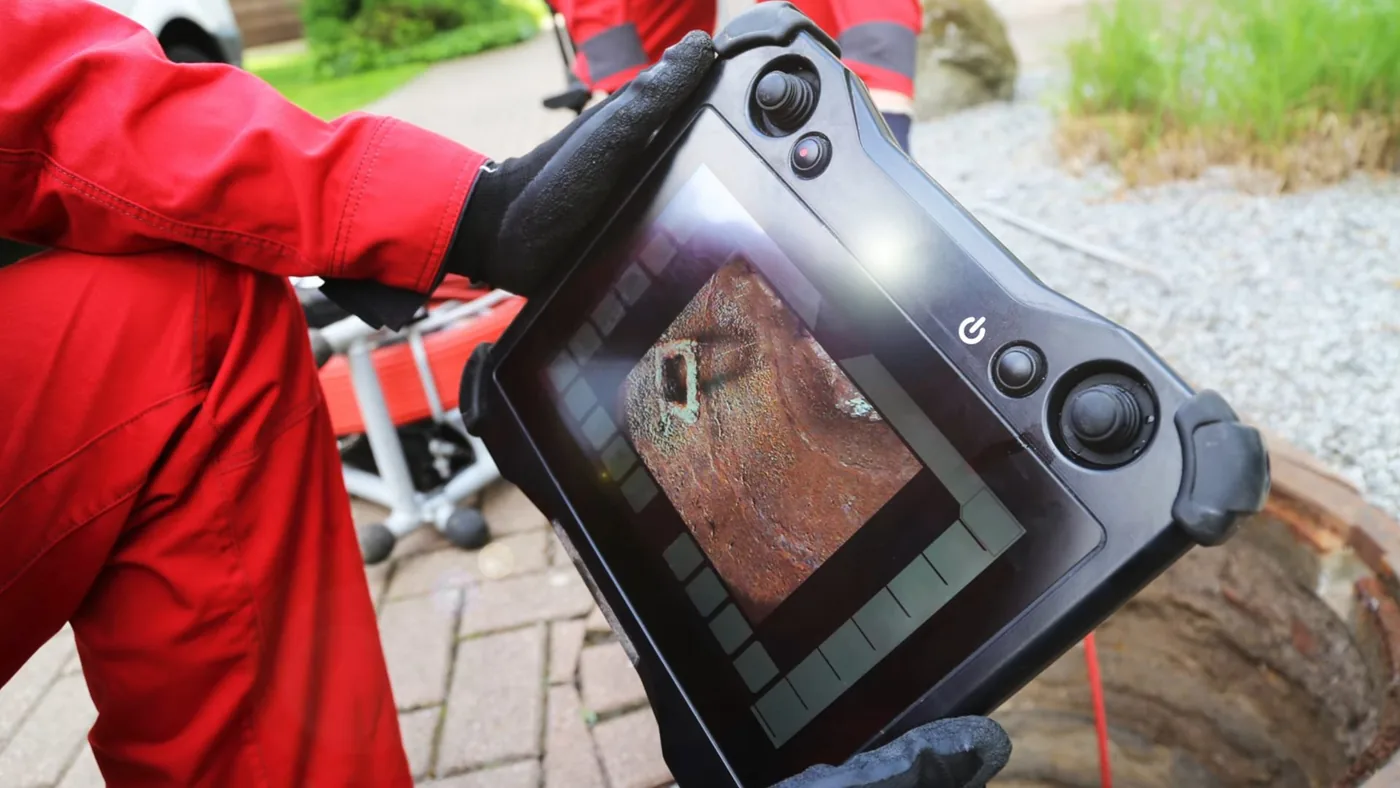
About 35 percent of single-family homes in Buckeye have a swimming pool. In a desert climate where summer temperatures exceed 110 degrees Fahrenheit and household water bills reflect tiered drought pricing, a pool leak is not just a nuisance. It is a real financial problem and, under current City of Buckeye water conservation policies, a potential compliance issue.
Pools lose water to evaporation naturally. An uncovered pool in Buckeye can lose 1 to 1.5 inches of water per week through evaporation during peak summer heat. A pool losing more than that is almost certainly leaking. A 1/8-inch opening in a return line fitting can lose 100 to 500 gallons per day. A cracked skimmer neck, which is one of the most common failure points in AZ pools due to temperature-driven expansion and contraction, can lose 50 to 200 gallons daily. Desert soil movement around pool structures adds another layer of stress that contributes to structural cracking in gunite and plaster shells over time.
How we detect pool leaks
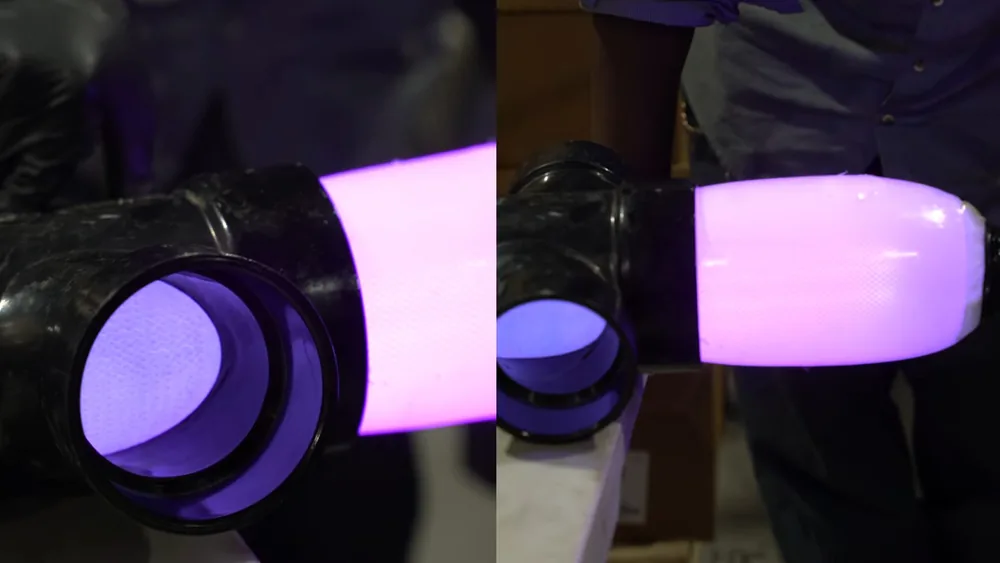
Most pool leak detection in Buckeye does not require draining the pool. We work with the pool full, using a combination of testing methods to confirm a leak and locate its source.
Bucket evaporation test
Before committing to a full detection visit, we walk homeowners through the bucket test by phone. You fill a 5-gallon bucket with pool water, place it on a step to match the pool water level, mark both with tape, and compare the drop after 24 hours. If the pool loses more water than the bucket, a structural or plumbing leak exists. This simple check confirms a leak before any paid detection work begins.
Pressure testing of plumbing lines
We pressure-test all return lines, the main drain line, the skimmer suction lines, and the cleaner line from outside the pool equipment pad. Each line is isolated and pressurized to identify any section that does not hold pressure. Lines that fail pressure testing are leaking somewhere between the pool wall fitting and the equipment. This test pinpoints leaking plumbing without needing to dig or drain.
Dye testing
Dye injected near suspected leak points, including skimmer necks, return line fittings, light niches, main drain cover edges, and structural cracks. Each of these shows water movement that confirms a specific leak location. The dye is drawn into any point where water is escaping, making the leak visible underwater without disrupting the pool structure. Dye testing works best in combination with pressure testing results to narrow the search area first.
Sonar and acoustic detection
For leaks suspected in underground return or supply lines, acoustic detection equipment locates the sound of escaping water beneath the pool deck or in the surrounding soil. Sonar is particularly useful for identifying breaks in buried plumbing that dye and pressure tests have isolated to a specific line but not pinpointed to a specific location.
Repair methods we use
Skimmer repair and replacement
Skimmer neck cracks and fitting failures are the most common pool leak source in Buckeye's climate. Temperature cycling between summer highs and winter lows stresses the plastic skimmer housing over time. We repair cracks with underwater epoxy where possible and replace the full skimmer unit when the housing is compromised. Most skimmer repairs are completed in a single visit without draining the pool.
Return line and fitting repair
Return line fittings at the pool wall are another high-frequency failure point, particularly in older pools where the fittings were seated with original builder adhesives that have degraded. We reseal or replace fittings at the pool wall and pressure-test after repair to confirm the fix. Underground return line breaks require limited excavation above the leak point.
Structural crack repair
Gunite and plaster pools in the West Valley develop structural cracks from soil movement, temperature stress, and natural settling. Surface-level plaster cracks are patched with hydraulic cement or pool plaster mix underwater. Structural cracks that penetrate through the gunite shell require patching from both sides and may require partial draining. We assess depth and severity before recommending a repair approach.
Cost of pool leak services in Buckeye
Typical price ranges (2026)
| Service | Typical Range | Notes |
|---|---|---|
| Pool leak detection | $200–$600 | Pressure testing, dye testing, and sonar where needed |
| Skimmer repair or replacement | $300–$900 | Most completed same day without pool draining |
| Return line fitting repair | $200–$600 | Per fitting; underground line repair adds excavation cost |
| Structural crack repair (surface) | $400–$1,500 | Depends on crack length and depth |
| Underground line repair | $800–$3,500+ | Includes excavation above break point and line splice |
Pool leak repair costs vary significantly based on the source and location of the leak. Free estimates are provided after detection identifies the specific issue. Most homeowner policies do not cover pool leak repairs, though some cover water damage caused by a leaking pool.
We also handle general leak detection for house supply lines, hose bib and outdoor faucet repair near pool equipment, and backflow testing for pool auto-fills on City of Buckeye irrigation connections.
Frequently asked questions about pool leaks in Buckeye
How do I tell if my Buckeye pool is leaking or just evaporating?
The bucket test is the standard method. Fill a 5-gallon bucket with pool water, place it on the first pool step matching the water level inside to the pool level, mark both with tape, and compare after 24 hours. If the pool lost more water than the bucket, the pool is leaking. In Buckeye's summer heat, an uncovered pool evaporates about 1 to 1.5 inches per week naturally. Losing more than that points to a structural or plumbing leak.
What are the most common pool leak locations in West Valley homes?
In Buckeye and West Valley pools, the most frequent leak points are skimmer fittings and skimmer necks (which expand and contract with temperature cycles), return line fittings at the pool wall, main drain connections, pool light niches, and structural cracks in gunite or plaster shells. Temperature-driven expansion and desert soil movement are the primary contributing factors.
Do you have to drain the pool to find or fix a leak?
In most cases, no. Sonar detection and dye testing both work with the pool full. Pressure testing of return lines, the main drain, and skimmer lines is also done with the pool at operating level. Only certain structural repairs require partial or full draining, and we'll tell you upfront if that's needed for your specific situation.
How much water can a pool leak lose per week?
Even a small leak can waste a significant amount of water. A 1/8-inch opening in a return line fitting can lose 100 to 500 gallons per day. A cracked skimmer neck can lose 50 to 200 gallons daily. At Buckeye water rates under tiered drought pricing, this adds real money to your bill each month. City of Buckeye conservation policies also make ongoing water loss worth addressing promptly.
How long does pool leak detection take?
Most detection visits in Buckeye take 2 to 4 hours. We pressure-test all plumbing lines, perform dye testing at suspected locations, and review the equipment pad for fitting and valve leaks. We provide a written diagnosis and repair estimate the same day in most cases.
Does pool leak repair require a permit in Buckeye?
Most pool leak repairs, including skimmer replacement, fitting repair, and structural patching, do not require a permit. Major structural work or significant plumbing additions may. We let you know at the estimate stage if your repair requires City of Buckeye Development Services permitting and can handle the application.
Related Services
Plumbing in your area
Pool leak detection and repair in Buckeye and the West Valley
Same-day diagnosis. Written estimate before work begins. Serving Buckeye, Goodyear, Avondale, Litchfield Park, Surprise, and the surrounding West Valley.
(623) 284-0371