Why hose bibs fail early in Buckeye and the West Valley
Hose bibs are the plumbing component most exposed to Arizona's specific outdoor conditions. Exterior faucets on Buckeye homes face intense UV radiation that degrades plastic housings and rubber seat materials faster than in most U.S. markets. Daily heat cycling between summer highs above 110 degrees Fahrenheit and cool nights causes metal fittings to expand and contract repeatedly, working threaded connections loose over time.
Monsoon season (July through September) adds pressure surge events that stress already UV-weakened hose bibs. A bib that's dripping at the spout from a worn seat washer may blow the packing entirely during a pressure spike, converting a minor drip into an active leak. South- and west-facing hose bibs fail first in Buckeye because they receive the longest daily sun exposure.
The most common hose bib problems in Buckeye homes are dripping from the spout when the bib is off (failed seat washer or seat), dripping from the side near the handle (failed vacuum breaker), dripping from the packing nut when the water is on (failed packing material), and no water flow from a bib that's otherwise functional (debris blockage or failed quarter-turn shutoff downstream).
How we diagnose outdoor faucet problems
Drip location assessment
The location of the drip identifies the failed component. A drip from the spout with the handle in the off position indicates a failed seat washer or worn valve seat. A drip from the side of the bib near the bonnet or cap indicates a failed vacuum breaker, which is a separate component from the main valve. A drip from the packing nut when the water is on indicates failed packing material. Identifying which type saves time and means we bring the right replacement parts.
Supply line and shutoff check
For hose bibs with no flow or severely restricted flow, we verify the quarter-turn shutoff inside the wall is fully open, check the supply line for scale restriction at the connection, and confirm the hose bib body itself isn't blocked by debris or mineral buildup. If the interior shutoff has seized from disuse, we replace it at the same visit.
Soft water loop position check
For homes with soft water loops, we verify that the outdoor hose bib in question is on the hard water (untreated) side of the loop. Outdoor bibs and irrigation connections should never receive softened water, which can damage plants and grass. If we find an outdoor bib is inadvertently on the soft water side, we note this and advise on correction.
Repair and replacement work we do
Seat washer and packing replacement
For standard compression hose bibs where the seat washer or packing has failed, we disassemble the bib, replace the failed component, and test for correct sealing. This is a minor repair in most cases, taking 20 to 40 minutes. For bibs where the valve seat itself is damaged or corroded, we lap the seat with a seat-dressing tool or replace the full bib assembly.
Vacuum breaker replacement
The vacuum breaker cap on a hose bib is a separate component that threads onto the spout. Replacement takes 5 to 10 minutes with the correct replacement cap for the bib brand and size. We carry common vacuum breaker caps for standard hose bib brands and sizes common in Buckeye construction.
Full hose bib replacement
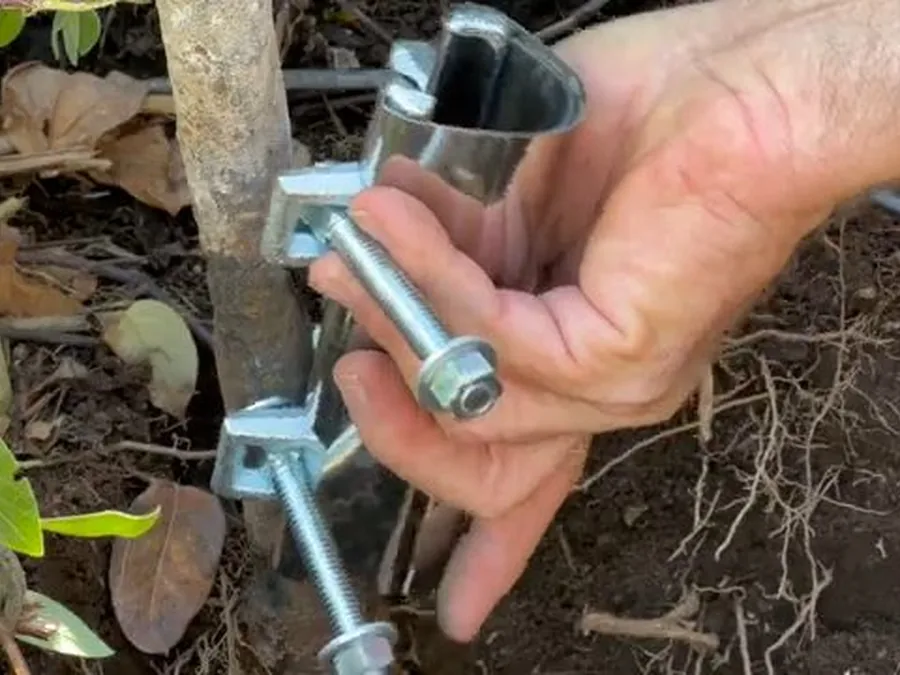
When the bib body has cracked, when the valve seat is beyond dressing, or when the bib is simply too old to repair reliably, full replacement is the right call. We shut off the interior supply, remove the old bib through the wall penetration, install a new frost-free hose bib, and test for correct flow and no drips. A standard replacement takes 30 to 60 minutes.
New hose bib addition
Adding a new exterior hose bib requires running a supply line from the nearest interior branch, penetrating the exterior wall, and installing the new bib with an accessible interior shutoff valve. Typical new hose bib additions take 1 to 3 hours depending on the distance from the nearest supply and wall construction. Most hose bib additions in Buckeye don't require a permit.
Cost of hose bib service in Buckeye
Typical price ranges (2026)
| Service | Typical Range | Notes |
|---|---|---|
| Seat washer or packing repair | $75–$175 | Minor repair; under 1 hour in most cases |
| Vacuum breaker replacement | $50–$125 | Stops side drip; usually 10 to 15 minutes |
| Full hose bib replacement | $150–$325 | New frost-free bib with vacuum breaker; 30 to 60 minutes |
| New hose bib addition | $250–$550 | New supply run, wall penetration, and bib installation |
Free estimates before any work. Multiple hose bib replacements at the same visit are discounted from individual pricing. We assess all exterior bibs at one visit if requested.
Related: burst pipe repair for hose bib supply lines that have failed during monsoon surges, backflow testing for irrigation system connections, and water line repair for the main supply side.
Frequently asked questions about hose bibs in Buckeye
Why do hose bibs fail so fast in Buckeye, AZ?
Arizona's UV radiation degrades rubber seat materials faster than most U.S. markets. Heat cycling between summer highs above 110 degrees and cool nights works threaded connections loose over time. Monsoon season pressure surges stress already UV-weakened bibs. South- and west-facing bibs fail earliest. Most Buckeye hose bibs need repair or replacement within 8 to 15 years.
What is a vacuum breaker on a hose bib and do I need one?
A vacuum breaker prevents water from siphoning backward from an attached hose into the potable water supply. Arizona plumbing code requires them on hose bibs connected to irrigation systems. Most Buckeye homes have bibs with built-in vacuum breakers. A drip from the side of the bib (not the spout) usually means the vacuum breaker cap has failed and needs replacement.
Should outdoor hose bibs be on the hard or soft water side of the loop?
The hard water (untreated) side. Softened water with elevated sodium can damage plants and grass over time. Most Buckeye homes built with pre-plumbed soft water loops have outdoor connections on the hard water side by design. We verify this when working on exterior bibs.
Can I add a new hose bib to the exterior of my Buckeye home?
Yes. Adding a new bib involves running a supply line from the nearest interior cold water branch, through the exterior wall, and installing a new frost-free hose bib. Most additions take 1 to 3 hours and don't require a permit.
My hose bib drips from the packing nut area when the water is on. What's wrong?
Failed packing material around the valve stem. Heat cycling in Buckeye dries and cracks rubber packing faster than in cooler climates. Tightening the packing nut a quarter turn sometimes stops the drip; replacing the packing material is needed if tightening doesn't seal it.
Plumbing in your area
Hose bib and outdoor faucet repair in Buckeye and the West Valley
Drip repair, vacuum breaker replacement, and new hose bib installation. Serving Buckeye, Goodyear, Avondale, Surprise, Sun City Festival, and the surrounding West Valley.
(623) 284-0371