Every Buckeye pool owner notices the water level dropping in summer. In a desert climate where temperatures exceed 110 degrees Fahrenheit and dry air pulls moisture aggressively from any open water surface, evaporation is real and significant. The question is whether your pool is losing water to the sun and wind, or to a leak somewhere in the structure or plumbing. The answer determines whether you need to keep topping off the water or call a pool leak detection specialist before the water loss causes further damage or inflates your bill under the City of Buckeye's tiered drought pricing.
The bucket test: the starting point for every pool owner
The bucket test is the standard first step for distinguishing evaporation from a structural or plumbing leak. Here's how to run it:
- Fill a 5-gallon bucket with pool water and place it on the first or second pool step, with the water level inside the bucket matching the pool water level around it. Use tape to mark both the inside bucket level and the outside pool level on the bucket exterior.
- Turn off the auto-fill valve if your pool has one, so neither the pool nor the bucket receives additional water during the test.
- Wait 24 hours without running the pool pump or adding any water.
- Compare the drop. Both the pool and the bucket will lose water to evaporation. If the pool lost more water than the bucket lost, the pool is leaking. If both dropped by the same amount, the pool is only evaporating.
The bucket sits in the same environment as the pool, subject to the same sun exposure, wind, and temperature. It isolates evaporation as a variable. If the pool drops faster than the bucket, the difference is water escaping through a leak rather than evaporating.
How much evaporation is normal in Buckeye's climate?
In Buckeye's summer heat, an uncovered pool evaporates approximately 1 to 1.5 inches of water depth per week from late May through September. That's roughly 500 to 750 gallons per week for a standard 15,000-gallon residential pool, depending on the pool's surface area, wind exposure, and pool temperature. The highest evaporation rates occur in June before the monsoon arrives, when humidity is lowest. After the monsoon season begins in July, humidity increases slightly and evaporation rates can drop a bit, though temperatures remain high.
A pool losing more than 1.5 inches per week consistently, or more than the bucket test indicates, is almost certainly leaking in addition to evaporating. Even a small structural crack or failed fitting can add 100 to 500 gallons per day to that evaporation baseline.
The most common leak locations in Buckeye pools
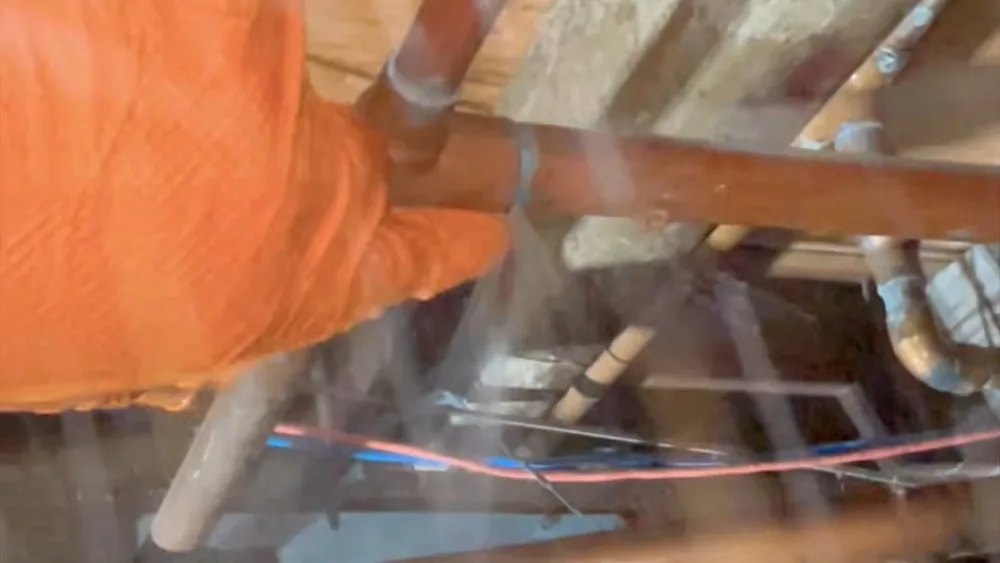
Buckeye's pool leak profile reflects the desert climate's specific stresses on pool structures and plumbing:
- Skimmer necks and fittings: The most frequent source of pool leaks in West Valley pools. Arizona's temperature cycling between summer highs and winter lows causes the plastic skimmer housing to expand and contract repeatedly, eventually cracking the neck where it meets the pool shell. A drip from a skimmer crack can lose 50 to 200 gallons per day.
- Return line fittings: The wall fittings where return lines meet the pool interior are another high-frequency failure point, particularly in pools more than 10 years old where the original fitting adhesive has degraded.
- Main drain connections: A deteriorating main drain cover or the connection between the drain and the plumbing can leak without being visible during normal pool use.
- Pool light niches: The conduit seal and niche flange around pool lights are common leak points in gunite and plaster pools. Dye testing is particularly effective at identifying light niche leaks.
- Structural cracks in the shell: Soil movement from monsoon-season wet-dry cycles and long-term desert soil settlement contribute to structural cracking in gunite and plaster shells over time.
What professional pool leak detection costs in Buckeye
Professional pool leak detection in Buckeye typically costs $200 to $600 for a standard residential pool. The service includes pressure testing of all plumbing lines (return lines, main drain, skimmer suction lines), dye testing at suspected locations, and in some cases sonar or acoustic detection for underground plumbing breaks. Most detection visits take 2 to 4 hours. A same-day repair estimate is provided after detection identifies the source.
Repair costs vary significantly by the type of leak found. Skimmer fittings and return line fittings can often be repaired in the same visit at $200 to $900. Structural cracks range from $400 to $1,500 for surface-level plaster cracks, to significantly more for cracks that penetrate through the shell. Underground return line breaks require limited excavation above the break point.
The financial case for fixing a pool leak in Buckeye promptly
Beyond the water bill impact under the City of Buckeye's tiered usage pricing, an ongoing pool leak can cause soil erosion around the pool structure, accelerate deck settling and cracking, and in severe cases undermine the pool structure itself. The ongoing water loss also means ongoing chemical loss, since the water being added to make up for the leak is untreated water that dilutes your pool chemistry and requires additional chemical correction.
A pool leaking 500 gallons per day under Buckeye's tiered water pricing adds roughly $30 to $70 per month to the water bill, plus chemical costs, plus the ongoing risk of structural damage. Most pool leak repairs cost $200 to $1,500 and pay for themselves within a few billing cycles.
Run the bucket test before scheduling a detection visit. If both pool and bucket drop by the same amount over 24 hours, the pool is evaporating normally. If the pool drops more, you have a leak and detection is the right next step.
Pool leak detection in Buckeye and the West Valley
Pressure testing, dye testing, and same-day diagnosis. Serving Buckeye, Goodyear, Avondale, Litchfield Park, and the West Valley.
✆ Call (623) 284-0371or request a free estimate online
Related: Pool leak detection and repair in Buckeye · Monsoon season plumbing prep for Buckeye homeowners