What hidden leaks are and why they're worth finding early in Buckeye
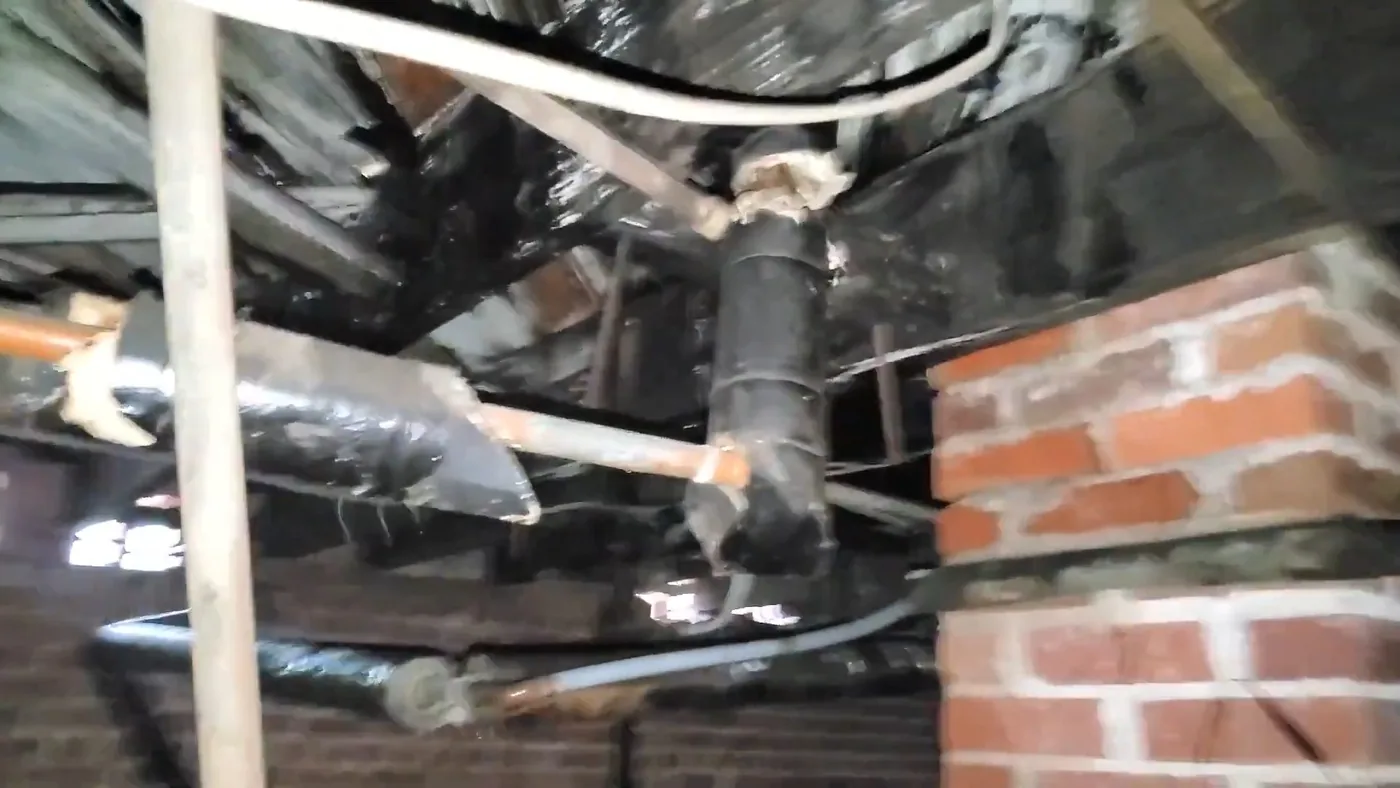
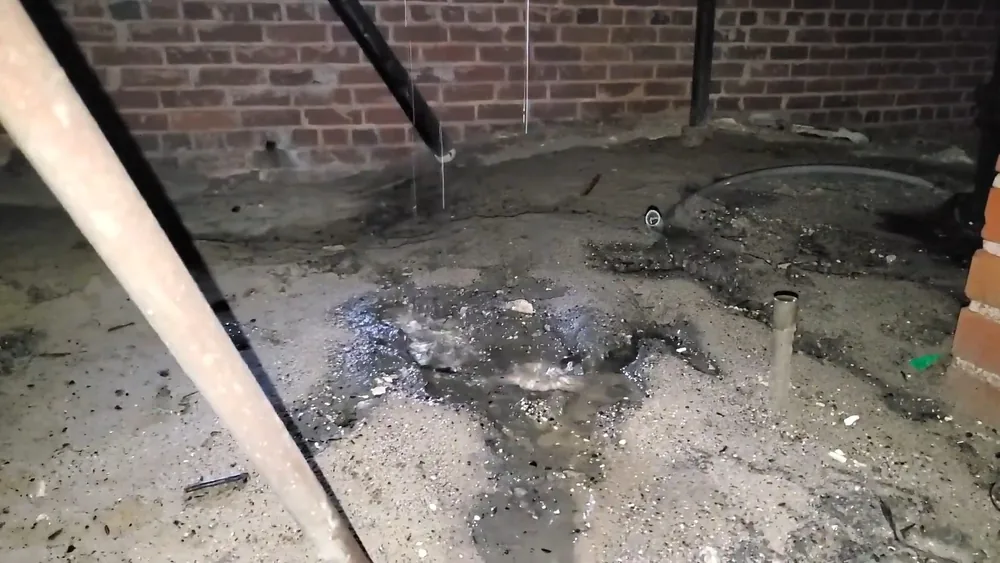
A hidden water leak is a supply line failure that's losing water somewhere behind a wall, under a floor, above a ceiling, or beneath the concrete slab, without visible pooling at the leak point. The water finds a path through the surrounding materials and appears somewhere else entirely, or simply saturates the soil beneath the foundation without showing up inside the home at all.
Hidden leaks cause two categories of damage. The first is direct water damage to drywall, insulation, framing, and flooring materials that are continuously wet. In Buckeye's desert climate, the mold growth that accompanies this moisture can become significant within days in sealed wall cavities during summer. The second is utility cost. A pinhole leak in a pressurized supply line can lose 250 to 500 gallons per day. At City of Buckeye water rates under drought-era tiered pricing, that's a meaningful addition to your monthly bill before any damage repair is considered.
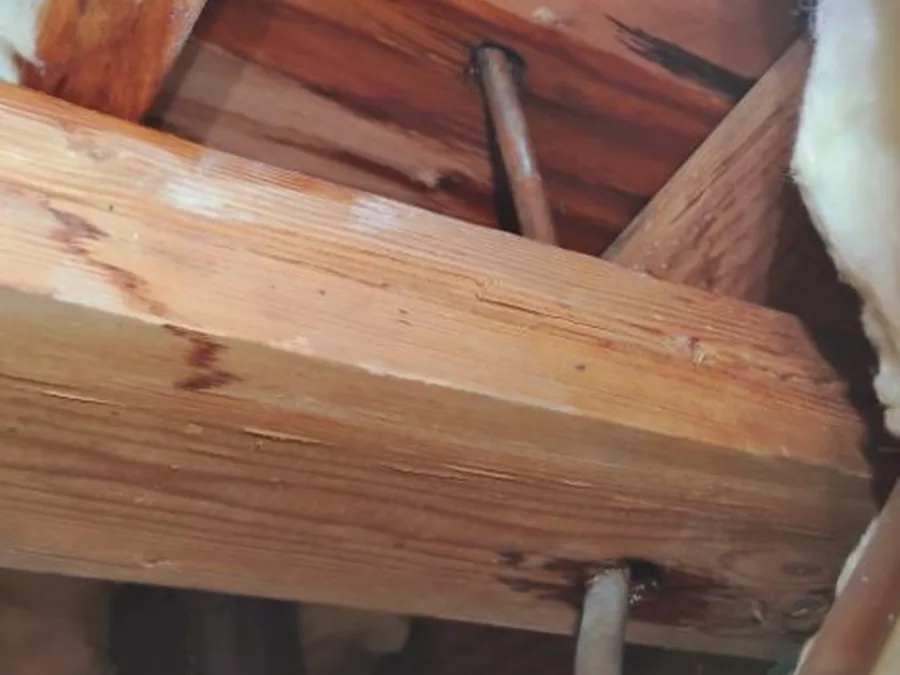
The relationship between Buckeye's hard groundwater and supply pipe corrosion creates specific leak risk. Copper supply lines in homes built before 2000, and the copper sub-slab supply lines in early Verrado construction (2004 to 2012), are particularly susceptible to pitting from electrolytic corrosion accelerated by the high mineral content. Many homeowners discover they have a hidden leak only after a water bill spike or a moisture stain appears months after the pipe first failed.
How we detect hidden leaks
Water meter test and flow confirmation
The first step is confirming an active leak exists before deploying detection equipment. With all fixtures off, we check the water meter for movement. If the meter moves, an active leak is confirmed. We then isolate sections of the plumbing system using shutoffs to narrow the leak to a specific zone before acoustic and thermal detection begins. This saves time and avoids scanning areas that don't need it.
Acoustic listening equipment
Electronic listening devices pick up the sound signature of water escaping a pressurized pipe through concrete, drywall, and soil without cutting or drilling. The sound changes as the sensor moves closer to the source, allowing us to narrow the leak location to within 12 to 24 inches in most cases. Acoustic detection works on both hot and cold supply lines and is effective through most standard Buckeye construction materials, including tile over slab.
Thermal imaging
An infrared camera identifies temperature anomalies on walls, ceilings, and floors caused by wet insulation or wet drywall adjacent to a leaking hot water line. A cold water line leak cools the surrounding material; a hot water line warms it. Both produce temperature contrasts visible to thermal imaging that guide us to the leak source without surface damage. Thermal imaging works best in Buckeye's warm ambient temperatures, where even small temperature differentials from cold water lines are visible against the warm wall surface.
Pressure isolation testing
We isolate sections of the supply system using shutoff valves and test each section with a pressure gauge. A section that loses pressure over a test period is leaking. Pressure isolation narrows the leak to a specific branch or supply run before acoustic detection, reducing the area to scan and improving pinpoint accuracy. This is particularly useful in homes with complex supply layouts or where acoustic signals are weak.
What happens after the leak is found
Repair options based on leak type and location
Once the leak is located, the repair approach depends on the pipe type and access. Supply line leaks in accessible walls are typically repaired by cutting a small access opening, replacing the damaged section with copper or PEX, and patching the wall. Sub-slab supply line leaks are usually addressed by rerouting the leaking line through wall cavities and attic space rather than breaking the slab, unless direct access is structurally required. We present repair options and costs at the end of the detection appointment so you can decide on next steps with full information.
Documentation for insurance claims
We document all detection findings in writing with the leak location, detection method used, and physical confirmation evidence. If the hidden leak caused water damage to drywall, flooring, or personal property, this documentation supports your homeowner insurance claim. We provide photos and a written report on request. If you want us to be present for the insurance adjuster visit, we can accommodate that scheduling as well.
Cost of leak detection in Buckeye
Typical price ranges (2026)
| Service | Typical Range | Notes |
|---|---|---|
| Residential leak detection (acoustic and thermal) | $150–$450 | Covers the full home supply system; same-day results in most cases |
| Pressure isolation testing | Included | Performed as part of standard detection to narrow search area |
| Slab leak detection specifically | $200–$500 | Under-slab supply lines; specialized acoustic equipment for concrete |
| Written documentation for insurance | Included | Provided on request after any detection appointment |
Detection fees are quoted before the appointment and confirmed before we start. The repair cost is additional and quoted separately after detection confirms the leak location and type.
We also handle dedicated slab leak detection and repair for under-foundation leaks, burst pipe repair for active supply line failures, and water line repair and replacement for main supply line issues.
Frequently asked questions about leak detection in Buckeye
How do I know if I have a hidden water leak in my Buckeye home?
The most reliable indicator is a water meter that keeps moving with all fixtures off. Other signals include a water bill that increased without explanation, unexplained wet spots on ceilings or walls, mildew odor without a visible source, or unusually warm or cold spots on floors above supply lines. Any of these warrants a professional detection check.
How does the water meter test work?
Turn off every fixture, appliance, and irrigation zone. Locate your water meter near the street at the property line. Most City of Buckeye meters have a triangle or dial indicator that moves when water flows. If it moves with everything shut off, an active leak exists somewhere in your supply system.
What kinds of leaks can be detected without opening walls or floors?
Acoustic equipment detects the sound of escaping water through walls, concrete, and soil. Thermal imaging identifies temperature anomalies from hot and cold water lines. Pressure isolation testing confirms which branch of plumbing is losing pressure. In many cases we locate a leak to within 12 to 24 inches without cutting any surface.
How long does leak detection take in Buckeye?
Most residential detection appointments take 1 to 3 hours. Simple leaks found quickly with acoustic equipment take less time. Leaks in difficult locations or complex plumbing layouts may take longer. We give you a repair estimate at the end of the appointment in most cases.
Does homeowner insurance cover hidden leak detection in Arizona?
Some Arizona policies cover detection costs and resulting water damage when a hidden leak is discovered. Many cover the damage but not the detection or repair cost itself. Call your insurer before scheduling non-emergency work. We document all findings in writing to support a claim.
Plumbing in your area
Leak detection in Buckeye and the West Valley
Non-invasive acoustic and thermal detection. Same-day results, written documentation. Serving Buckeye, Goodyear, Avondale, Litchfield Park, Surprise, and the surrounding West Valley.
(623) 284-0371