What hydro jetting is and when Buckeye homes need it
Hydro jetting is a high-pressure water cleaning method for drain and sewer pipes. A pump delivers water at 3,000 to 4,000 PSI through a specialized nozzle inserted into the pipe, sending water in a 360-degree pattern that blasts debris, grease coating, mineral scale, and root fibers from the full interior circumference. A cable drain snake punches a hole through a blockage. Hydro jetting cleans the entire pipe cross-section.
In Buckeye and the West Valley, hydro jetting addresses a specific problem that cable snaking does not: the gradual buildup of mineral scale on drain pipe walls from the region's 15 to 30 GPG groundwater. A snaked drain that clears the immediate blockage but still drains slowly usually has significant scale coating along the pipe walls. Hydro jetting removes that coating and restores the full pipe diameter. Recurring clogs in the same drain are often a signal that hydro jetting is the right tool rather than repeated cable clearing.
What we do before hydro jetting
Camera inspection of the drain line
Camera inspection before jetting is required, not optional. A waterproof camera shows us the condition of the pipe walls and the nature of the blockage. Hydro jetting at full pressure inside a pipe with fractures, corrosion holes, or significant deterioration can worsen the damage. For structurally sound pipes, jetting is safe and effective. We show you the camera footage before recommending jetting so you understand exactly what we're working with.
Cleanout access and nozzle selection
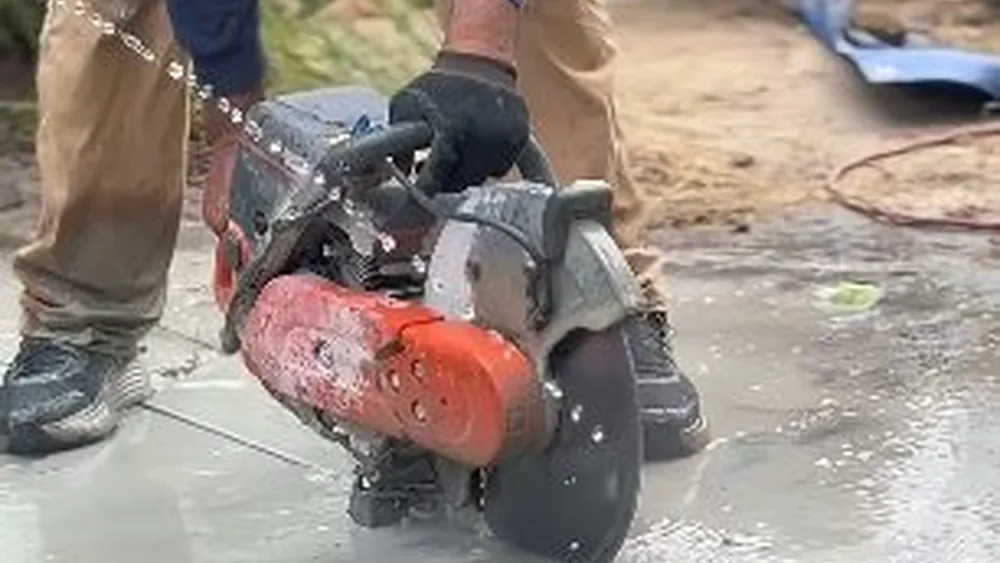
Hydro jetting equipment enters through a cleanout access point. Most Buckeye homes built after 2000 have accessible two-way cleanouts at the foundation. Older homes may require working from a roof vent or another access point, which we identify during the camera inspection run. Nozzle type is selected based on camera findings: rotating nozzle for scale and grease, root-cutting nozzle for root intrusion, penetrating nozzle for compacted debris.
The hydro jetting process
Main sewer line jetting
For main sewer line cleaning, the hose is fed upstream from the cleanout toward the house. Water pressure clears the pipe walls and drives loosened debris back toward the cleanout and out to the municipal sewer. A typical main line run in a standard Buckeye home covers 50 to 100 feet. Longer runs or lines with multiple bends take additional passes.
Branch drain line jetting
For kitchen, bathroom, or laundry branch drains, the hose inserts at the fixture cleanout or through the drain opening with the P-trap removed. Branch line jetting typically runs 20 to 40 feet from the access point. Pressure and nozzle settings are scaled to the smaller diameter of branch lines compared to main sewer lines.
Post-jetting camera confirmation
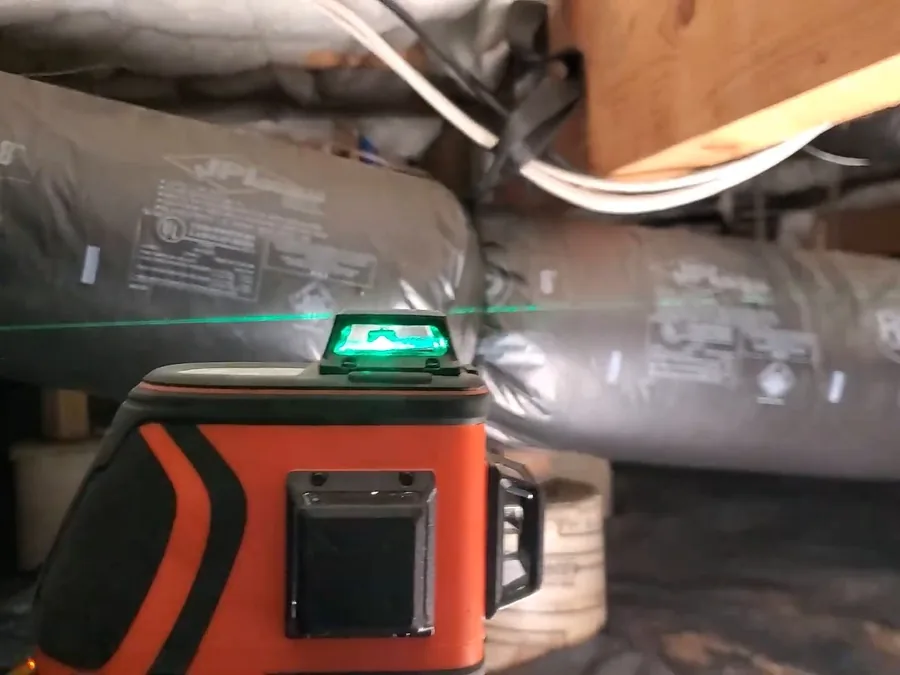
After jetting, we run the camera again to confirm the pipe is clear and to check for pipe damage the process may have revealed. The post-jetting pass also confirms whether root intrusion was limited to root fibers or whether the roots caused structural damage to the pipe that will need repair. We show you the footage and document all findings.
Cost of hydro jetting in Buckeye
Typical price ranges (2026)
| Service | Typical Range | Notes |
|---|---|---|
| Camera inspection (pre-jetting) | $150–$350 | Required before jetting; credited toward service at same visit |
| Branch drain hydro jetting | $200–$500 | Kitchen, bathroom, or laundry lines |
| Main sewer line hydro jetting | $400–$800 | Standard Buckeye home; longer runs or severe scale at higher end |
| Root-cutting nozzle main line | $500–$1,200 | Root intrusion; structural damage may need additional repair |
Camera inspection fee is credited toward hydro jetting when both services are performed at the same appointment. If camera inspection reveals pipe damage requiring repair rather than jetting, we stop and quote the repair separately.
We also handle standard drain cleaning and cable clearing, sewer line repair when camera reveals pipe damage, and full sewer line replacement for severely deteriorated lines.
Frequently asked questions about hydro jetting in Buckeye
What is hydro jetting and how does it work?
Hydro jetting delivers water at 3,000 to 4,000 PSI through a 360-degree nozzle inserted into the pipe, blasting debris, grease, scale, and roots from the full interior circumference. Unlike a cable snake, which punches a hole through a clog, hydro jetting cleans the entire pipe cross-section back to near-original diameter.
Is hydro jetting safe for pipes in my Buckeye home?
Yes, for structurally sound pipes. We always perform a camera inspection before jetting to confirm the pipe can handle the pressure. Pipes with fractures, corrosion holes, or significant deterioration should not be jetted. PVC, ABS, and copper drain pipes in good condition are all safe candidates.
When should I choose hydro jetting over drain snaking?
Choose hydro jetting when a drain has recurring clogs after being snaked, when camera inspection shows significant scale or grease coating the pipe walls, or when the blockage includes root fibers a cable cannot fully clear. Hydro jetting cleans the full interior pipe diameter, not just the obstruction point.
Does hydro jetting clear roots in sewer lines?
Yes, with a root-cutting nozzle. For significant root masses, we may use cable cutting first followed by hydro jetting to clear the debris. If roots have caused structural damage to the pipe, the section needs repair in addition to clearing.
How long does hydro jetting take?
A standard single-line job takes 1 to 2.5 hours, including the pre-jetting camera inspection, the jetting run, and a post-jetting camera confirmation pass. Longer lines or severe blockages take additional time.
Plumbing in your area
Hydro jetting in Buckeye and the West Valley
Camera inspection before every job. Full pipe cleaning, not just clog clearing. Serving Buckeye, Goodyear, Avondale, Phoenix, Tolleson, and the surrounding West Valley.
(623) 284-0371