Buckeye has some of the hardest water in the Phoenix metropolitan area, and the reason is structural: unlike most Phoenix-area cities, Buckeye relies almost entirely on groundwater rather than blended surface water for its municipal supply. Understanding where your water comes from, what's in it, and what that means for your plumbing is the most practical piece of water literacy a Buckeye homeowner can have.
How Buckeye's water supply differs from most Phoenix suburbs
The majority of Phoenix metro municipalities, including Scottsdale, Mesa, Chandler, Gilbert, and most of the east valley, blend Colorado River surface water delivered by the Central Arizona Project (CAP) canal with locally pumped groundwater. CAP water is softer than West Valley groundwater because it originates as snowmelt from the Rocky Mountains and picks up fewer dissolved minerals during its journey. Blending CAP water with groundwater in a 50/50 or 60/40 ratio significantly reduces the combined hardness of the municipal supply.
City of Buckeye Water Resources depends primarily on groundwater wells drawing from the lower Hassayampa River alluvial aquifer and related West Valley groundwater sources. The city does have access to CAP allocations and uses some CAP water, but in far smaller proportions than most of its eastern neighbors. The result is a municipal supply that spends more of its life in underground aquifer rock, accumulating dissolved calcium and magnesium from the aquifer geology, and arrives at your tap significantly harder than what comes out of a faucet in Chandler or Scottsdale.
What the Hassayampa alluvial aquifer is
The Hassayampa River alluvial aquifer is an underground water body formed by millennia of sediment deposits along the Hassayampa River basin southwest of Phoenix. The aquifer is composed of sand, gravel, and silt layers through which water moves slowly, in contact with calcium-rich carbonate rock formations. That contact dissolves calcium and magnesium carbonate into the water. By the time the water reaches City of Buckeye wells, it carries a naturally high mineral load that no amount of treatment short of demineralization will eliminate.
The aquifer also carries naturally elevated total dissolved solids (TDS) from the same geological contact. TDS in Buckeye groundwater typically runs 400 to 800 parts per million depending on the specific well and depth. For reference, the U.S. Environmental Protection Agency's secondary drinking water standard for TDS is 500 PPM. Buckeye water frequently exceeds this secondary standard, though secondary standards are advisory rather than legally enforceable, and Buckeye water meets all primary (health-based) drinking water standards.
What the City of Buckeye's water quality data shows
City of Buckeye Water Resources publishes an annual Water Quality Report (Consumer Confidence Report) available from the city's website. The report provides hardness, TDS, pH, and treatment parameters measured across the distribution system for the reporting year. Key figures from recent years:
- Total hardness: 22 to 30 grains per gallon (GPG), or roughly 375 to 515 milligrams per liter as calcium carbonate. The national average for municipal water is approximately 10 GPG.
- Total dissolved solids: 400 to 800 PPM depending on service zone and seasonal source blend.
- pH: Typically 7.5 to 8.2, slightly alkaline, which is common for high-calcium groundwater.
- Chloramines: City of Buckeye treats with chloramines rather than free chlorine for distribution system disinfection. Chloramines are more stable in distribution but require specific removal steps (carbon filtration) for RO system protection.
What this groundwater profile means for your plumbing specifically
Every plumbing characteristic specific to Buckeye homes ties directly to the groundwater profile. The 22 to 30 GPG hardness deposits calcium scale in water heaters at 2 to 3 times the rate assumed by manufacturer lifespan ratings (which are tested at approximately 10 GPG). Scale accumulates on faucet aerators, showerheads, dishwasher spray arms, and ice maker distribution tubes within months of installation in unsoftened homes. The elevated TDS contributes to the flat, minerally taste of tap water that most Buckeye residents notice without necessarily knowing the chemical reason behind it.
The chloramine treatment chemistry is relevant for homeowners considering reverse osmosis systems. Carbon block pre-filters, which are standard in RO systems, effectively remove chloramines before they reach the RO membrane. Chloramines that reach the RO membrane can degrade the thin-film composite material over time. A properly specified RO system for Buckeye water includes a chloramine-rated carbon block pre-filter as a standard component.
Seasonal variation: why your water changes through the year
Buckeye's water hardness varies somewhat seasonally. When the city draws more heavily from groundwater wells during peak demand periods (typically summer), hardness runs higher. During periods when CAP allocations are increased to recharge local aquifers or supplement supply, the hardness may drop somewhat. This is why some Buckeye homeowners notice the water feels different at different times of year and why an on-site water test at the time of softener sizing gives a more accurate result than relying on the city's annual averages.
The water treatment answer for Buckeye homes
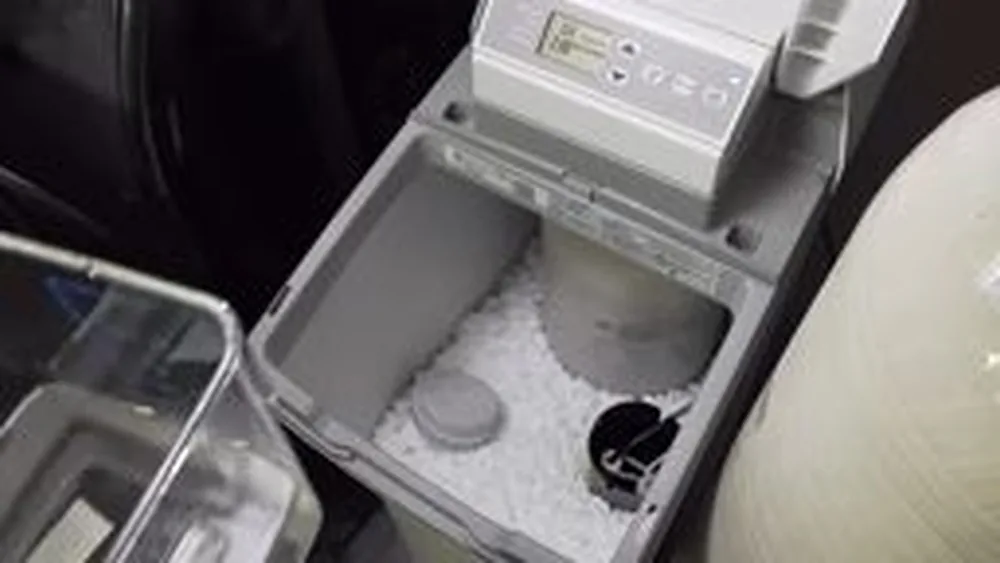
Given the groundwater profile, the two-layer water treatment approach most appropriate for Buckeye homes is an ion-exchange water softener for whole-house hardness removal (protecting plumbing and appliances) and an under-sink reverse osmosis system for drinking water TDS reduction and chloramine removal at the kitchen faucet. The softener addresses the primary damage source (hardness scale in water heaters, appliances, and fixtures). The RO addresses what the softener doesn't change: TDS, taste, and residual treatment chemicals at the point of drinking water use.
Water testing and treatment for Buckeye's groundwater
On-site water hardness testing, softener sizing, and RO system installation for Buckeye's 22-30 GPG groundwater. Free estimates for Buckeye, Verrado, Goodyear, and the West Valley.
✆ Call (623) 284-0371or request a free estimate online
Related: Plumbing services in Buckeye, AZ · Water softener vs. reverse osmosis for Buckeye homes · Signs your Buckeye home is being damaged by hard water