Shower and tub work we do in Buckeye, and what the desert environment affects
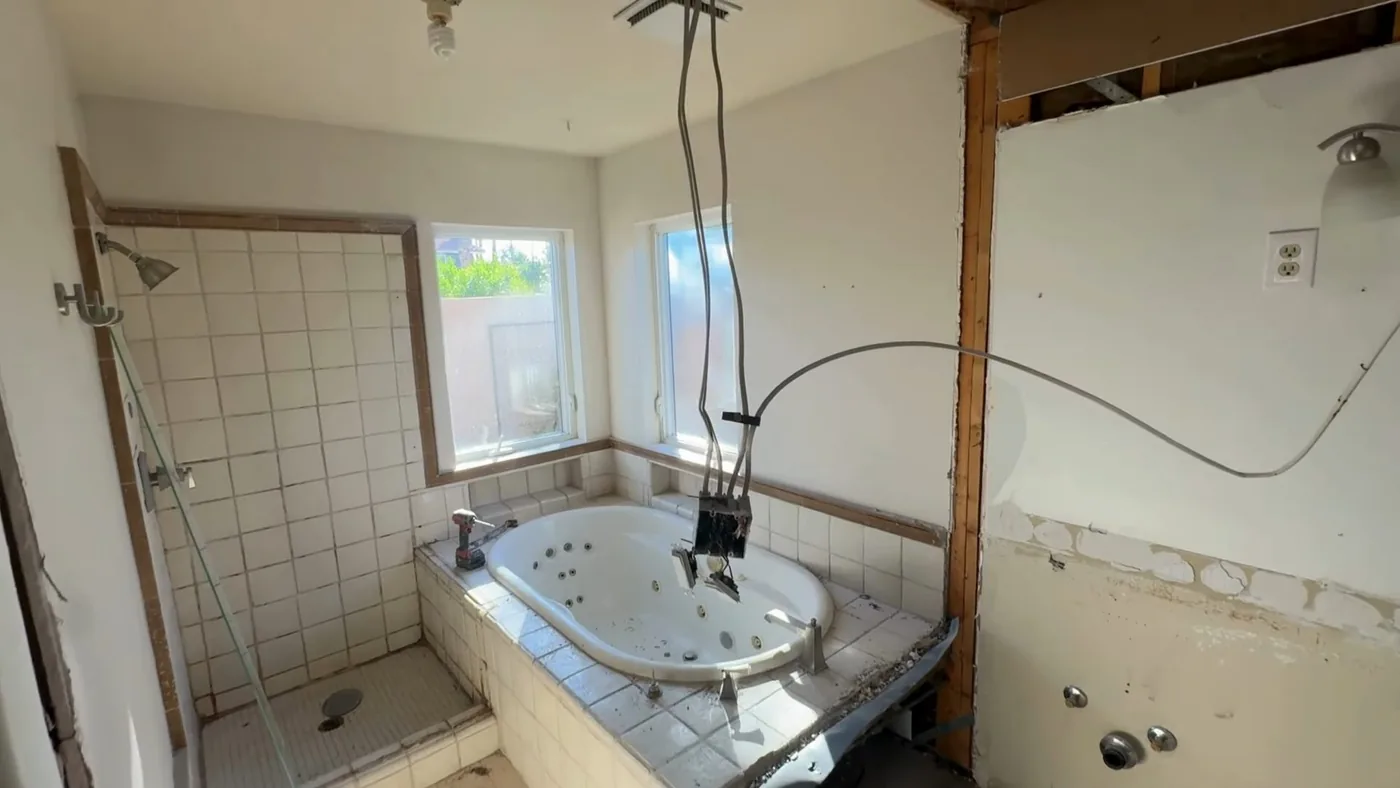
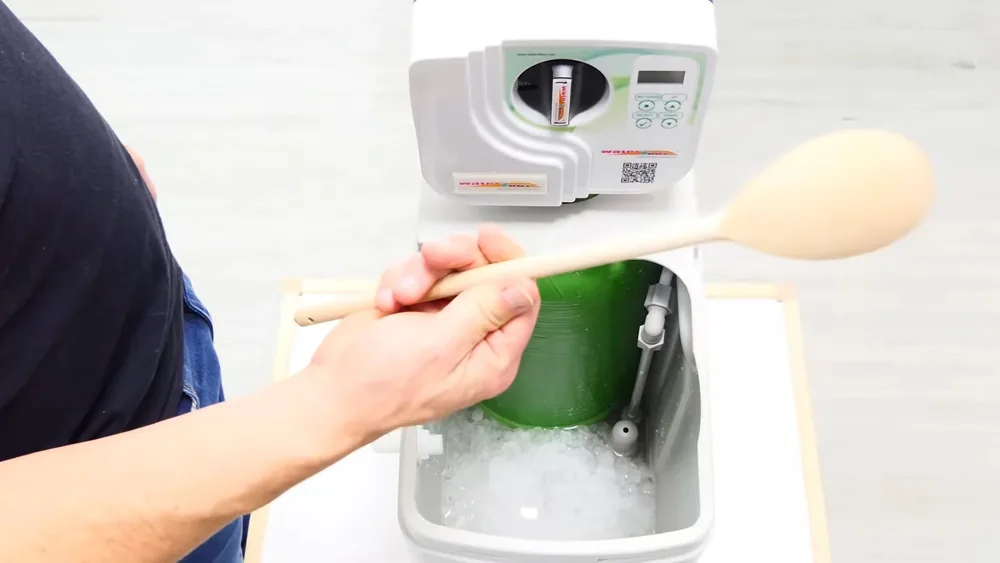
Shower and bathtub installation projects in Buckeye range from straightforward valve replacements in existing showers to full tub-to-walk-in-shower conversions that require cutting a concrete slab drain relocation. All of them share a common consideration in Buckeye's hard water environment: whatever surfaces, fixtures, and grout are installed in a shower will be exposed to 15 to 30 GPG mineral water with every use. A water softener dramatically reduces mineral buildup on new tile and fixtures. We mention this at every shower installation because a beautifully tiled new shower in untreated Buckeye water will show mineral staining within 12 to 24 months.
The other Buckeye-specific factor is that walk-in showers have largely replaced soaking tubs as the preferred master bath configuration in the Phoenix market. Tub-to-shower conversions in secondary bathrooms are common remodel projects across Verrado, Sundance, Sun City Festival, and Tartesso. We handle the plumbing portion and work with your tile contractor or can refer one for the tile and glass enclosure work.
How we assess shower and tub projects
Existing rough-in evaluation
For conversions or replacements, we evaluate the existing drain location, supply line rough-in positions for the hot and cold supply, and the valve position in the wall. A tub-to-shower conversion may require relocating the drain (common in slab-on-grade construction when the tub drain is not in the right position for a centered shower floor drain), upgrading the valve to a pressure-balancing or thermostatic unit, and adjusting supply line heights for the new showerhead and hand spray locations.
Drain position and relocation assessment
In Buckeye's slab-on-grade construction, the drain pipe is below the concrete floor. Moving a drain during a tub-to-shower conversion requires saw-cutting the slab above the existing drain, re-routing to the new drain center, patching the concrete, and installing the new drain assembly. We assess the distance from the existing drain to the desired new drain location, the depth and routing of the existing drain pipe below the slab, and the feasibility of the move before quoting conversion work.
Valve selection and upgrade
Most Buckeye homes from the 2000s construction era have single-handle pressure-balancing valves in the shower. These are adequate for typical use but don't maintain precise temperature settings. For master bathroom upgrades, many homeowners choose thermostatic valves that hold a specific temperature regardless of pressure fluctuations elsewhere in the home. We discuss valve options and costs at the estimate visit and supply the rough-in valve appropriate for the trim kit the homeowner selects.
Installation and conversion work we perform
Tub-to-walk-in-shower conversion
We remove the existing tub and associated plumbing, re-route the drain to the shower floor center position if needed, cut the slab for drain relocation, install the rough-in drain assembly and shower valve, and prepare the space for the tile contractor. If a prefabricated shower base is being used rather than tile, we install the base and connect it to the drain. Prefabricated base installations are faster and work well in secondary bathrooms where budget is the priority.
Shower valve replacement
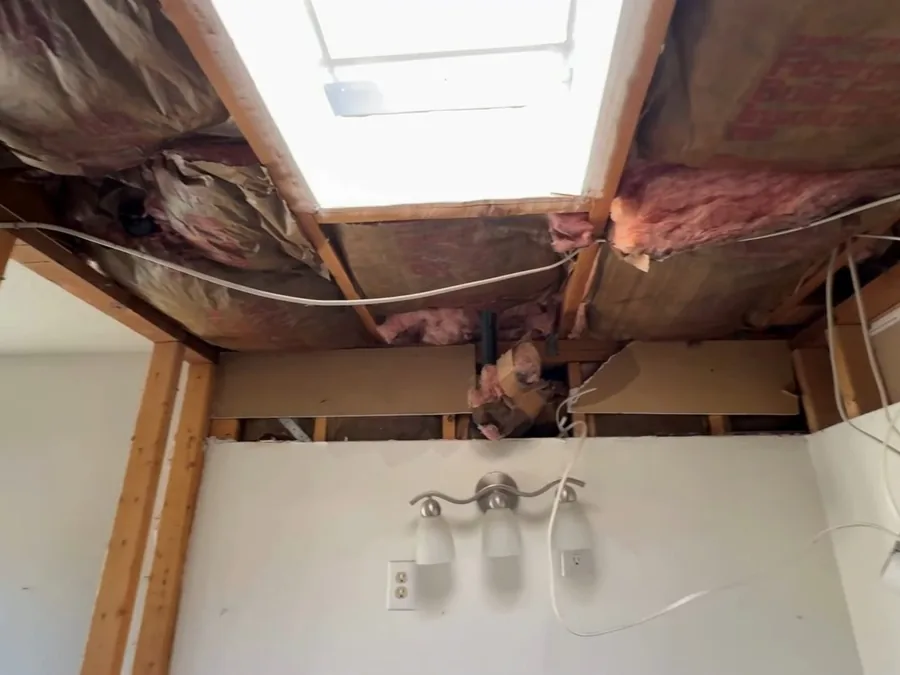
Shower valve replacement addresses failing cartridge valves, upgrading to pressure-balancing valves for code compliance, or upgrading from a two-handle to a single-handle configuration. We open the wall behind the valve, replace the valve body and cartridge, and restore the wall for tile or drywall patching. Most shower valve replacements complete in 2 to 4 hours.
Bathtub installation and replacement
Bathtub installation involves connecting the tub supply lines and drain, leveling and securing the tub in the alcove, and installing the drain overflow assembly. We work from the rough-in plumbing to the point where the tile contractor takes over for surround and access panel work. New tub installation as part of a bathroom addition requires rough-in work during the framing stage before walls are closed.
Cost of shower and tub installation in Buckeye
Typical price ranges (plumbing scope only, 2026)
| Service | Typical Range | Notes |
|---|---|---|
| Shower valve replacement | $350–$700 | Pressure-balancing or thermostatic; 2 to 4 hours |
| Tub-to-shower conversion (no drain move) | $600–$1,400 | Plumbing scope only; tile work is separate |
| Tub-to-shower conversion (with drain relocation) | $1,200–$2,800 | Includes slab cut, drain move, and re-patch |
| Tub installation (existing rough-in) | $350–$700 | Plumbing connection and drain assembly; tub supplied by homeowner or GC |
| Full bathroom rough-in (new) | $1,500–$4,000 | New construction or addition; includes all rough-in plumbing |
Tile work, shower glass, and prefabricated shower base materials are not included in plumbing scope pricing. We work with your GC or tile contractor and can refer tile specialists familiar with Buckeye bathroom remodels.
Related: faucet and fixture repair for showerhead and valve issues, water softener installation to protect new tile and fixtures from hard water, and drain cleaning for slow shower drains.
Frequently asked questions about shower and tub installation in Buckeye
Does converting a tub to a walk-in shower hurt resale value in Buckeye?
For most Buckeye homes, a well-executed tub-to-shower conversion in a secondary bathroom does not significantly hurt resale value and may improve it. Walk-in showers are the preferred master bath configuration in the Phoenix market. The conventional guidance is to keep at least one bathtub accessible from a bedroom used by children, but secondary bathroom conversions are widely accepted.
How long does a shower installation take in Buckeye?
A tub-to-walk-in-shower conversion typically takes 2 to 4 days for the plumbing and structure work. A simple shower valve replacement takes 2 to 4 hours. New construction shower rough-in takes 4 to 8 hours. Tile work, glass, and finishes are separate from the plumbing scope and timeline.
What does hard water do to shower tile and fixtures in Buckeye?
In Buckeye's 15 to 30 GPG water, mineral scale deposits on tile grout, showerheads, glass enclosures, and fixture handles. White mineral crust builds on grout lines within months in homes without water softeners, and etches glass shower doors over time. A water softener dramatically reduces this maintenance burden and is worth considering alongside any new shower installation.
Does shower or tub installation require a permit in Buckeye?
Replacements in kind (same footprint, same drain location) typically don't require a permit. Conversions that change the drain location, add new supply lines, or significantly alter the bathroom floor plan do require a permit from City of Buckeye Development Services. We assess permit requirements at the estimate visit.
Can you relocate a shower drain for a conversion?
Yes. Drain relocation requires cutting a small section of concrete above the existing drain pipe, re-routing the drain, and patching the slab before the shower floor is installed. Most relocations are typically modest (6 to 24 inches) and add 4 to 8 hours of work to the conversion project.
Related Services
Plumbing in your area
Shower and bathtub installation in Buckeye and the West Valley
Tub-to-shower conversions, valve replacement, and new installation. Serving Buckeye, Verrado, Goodyear, Surprise, Sun City Festival, and the surrounding West Valley.
(623) 284-0371