If you have an irrigation system, a pool auto-fill, or any plumbing connection to the City of Buckeye water supply that creates a potential cross-connection hazard, you are required to have the backflow prevention assembly tested annually. City of Buckeye Water Resources notifies affected property owners each year, but many homeowners receive the notice without understanding what it requires, why it exists, or what happens if the deadline is missed. This guide covers the complete picture.
What backflow is and why the City of Buckeye regulates it
Backflow is the reversal of normal water flow direction. Under standard conditions, City of Buckeye water flows from the distribution main, through your meter, and into your home at positive pressure. Backflow can occur when pressure conditions reverse: a drop in distribution pressure, a pressure surge from an appliance, or elevation differences between the water supply and a connected fixture. When backflow occurs at a cross-connection, water from outside the potable supply can be drawn backward into the drinking water distribution system.
A cross-connection is any physical connection between the potable water supply and a non-potable source. In residential properties, the most common cross-connections are irrigation system connections (where fertilizer injectors or herbicide applicators may be connected), pool and spa auto-fill connections (where treated pool water could be drawn back), and in-ground or submersible irrigation that could contact contaminated soil water.
Arizona Administrative Code Rule R18-4-215 requires that regulated cross-connections be protected by an approved backflow prevention assembly and that those assemblies be tested annually by a tester holding a current ADEQ backflow prevention assembly tester certification. The City of Buckeye administers this requirement through its annual notification program and requires that test results be submitted to the Water Resources Division by the deadline stated in the notice.
Who receives a testing notice from the City of Buckeye
City of Buckeye Water Resources mails annual testing notices to the property owner of record for any service connection with a regulated cross-connection. In residential properties, this typically includes:
- Irrigation systems connected to the potable water supply, whether the system covers lawn, desert landscaping, drip irrigation, or any combination. Nearly every Buckeye home with an irrigation timer and dedicated irrigation supply has a regulated connection.
- Pool and spa auto-fill connections. If your pool has an automatic water level control connected to the City of Buckeye supply, the auto-fill connection requires an assembly and annual testing.
- Combination hose bib and irrigation connections where a hose bib serves as the irrigation supply source through a threaded hose-to-irrigation-line connection. The vacuum breaker on a standard hose bib provides basic protection, but dedicated irrigation systems require a higher-level assembly.
- Commercial and light industrial properties in Buckeye with any regulated connection, including fire suppression, cooling systems, food service equipment connections, and general process water uses.
If you have an irrigation system, a pool with auto-fill, or another connection described above and have not received an annual testing notice, it's worth calling the City of Buckeye Water Resources Division to confirm whether your connection is registered. Unregistered connections that are discovered during inspection may result in back-billing for testing years.
What type of assembly you have and what the test involves
There are two main types of backflow prevention assemblies used on residential properties in Buckeye:
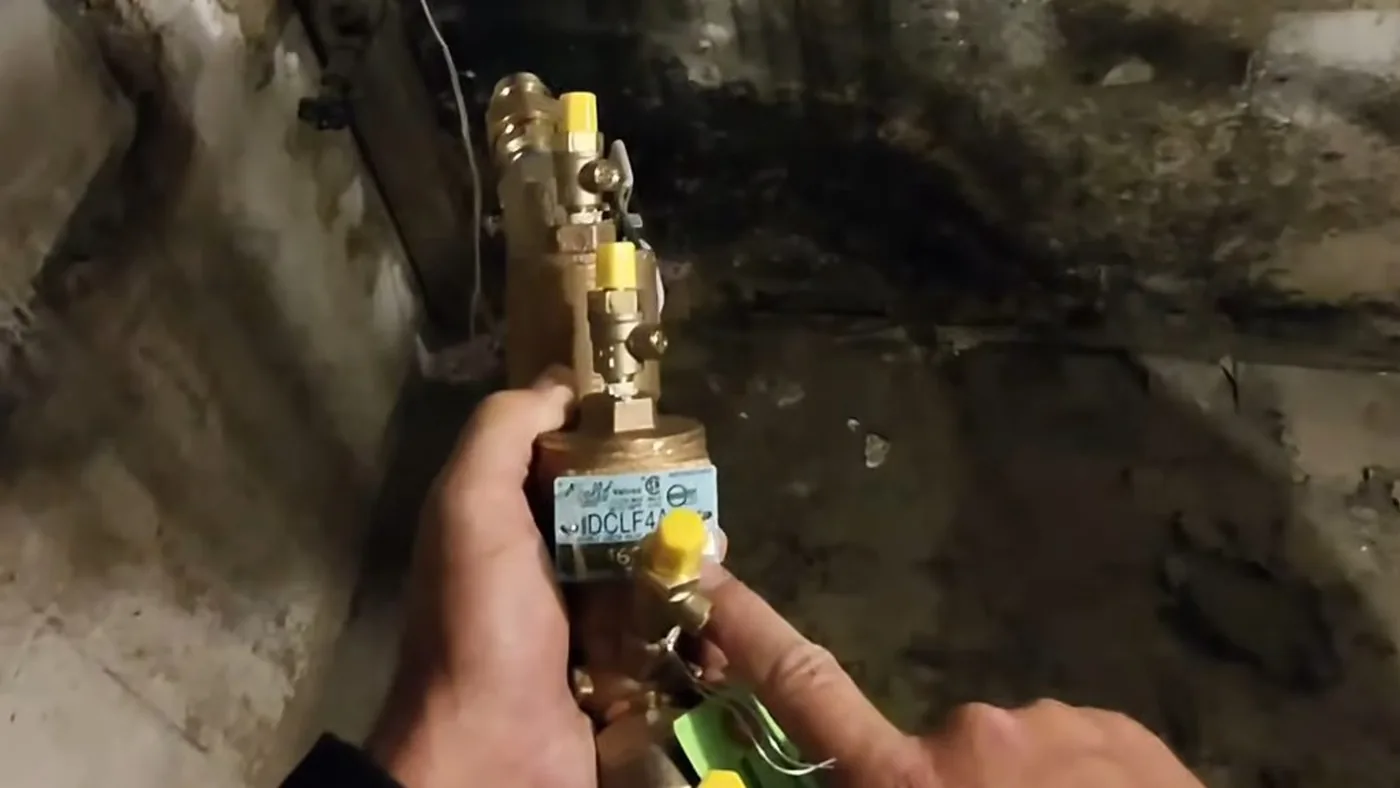
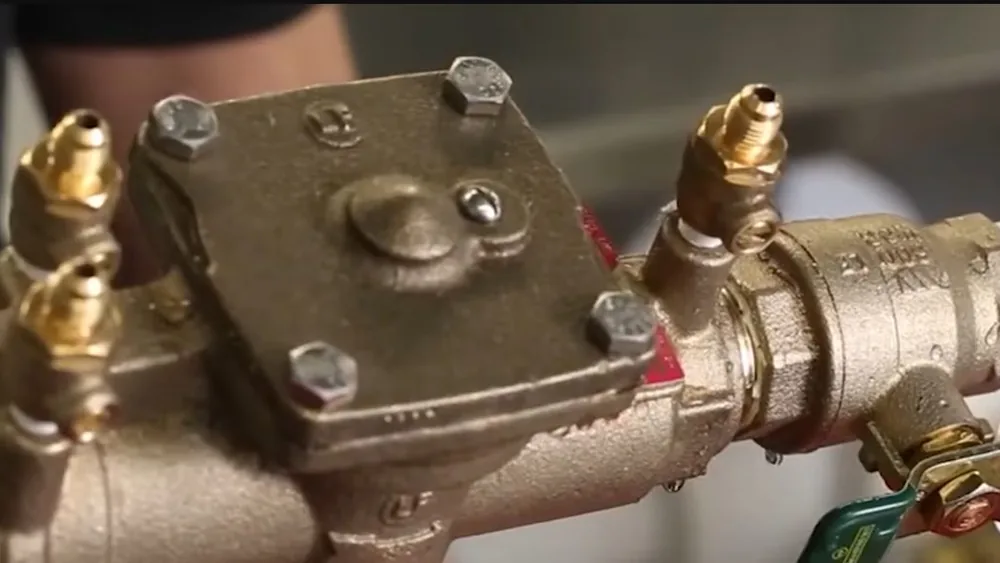
Reduced Pressure (RP) assembly: Used at higher-hazard cross-connections, including irrigation systems where fertilizer or chemical injection is possible, pool auto-fills, and any connection where contamination from backflow could pose a significant health risk. An RP assembly has two spring-loaded check valves and a differential pressure relief valve. It is the most common assembly type on Buckeye residential irrigation systems. You can identify it as a brass assembly with two shutoff handles, two test cocks, and a visible relief valve port between the check valves.
Double Check Valve (DC) assembly: Used at lower-hazard cross-connections where the consequence of backflow is primarily taste and odor rather than health risk. Less common on Buckeye residential properties but present on some systems.
The annual test uses a calibrated differential pressure gauge kit to measure the opening differential pressure of each check valve and confirm the relief valve operates at the correct differential for RP assemblies. The test takes 15 to 30 minutes per assembly. If the assembly passes, the tester completes the City of Buckeye test report form and submits it to Water Resources. If the assembly fails, it must be repaired or replaced and re-tested before a passing report can be submitted.
What happens after the test: report submission
After a passing test, we complete the City of Buckeye Backflow Prevention Assembly Test Report form with the assembly make, model, serial number, test readings, pass result, and tester certification number, and submit it directly to the City of Buckeye Water Resources Division. You receive a copy of the submitted report for your records. No additional action is required from the property owner after the test is complete and the report is submitted.
If the assembly fails the test and requires repair or replacement, we perform the repair at the same visit when parts are on hand, re-test after the repair, and submit the passing report. Assembly replacement requires a City of Buckeye plumbing permit and the permit is included in the replacement quote.
What happens if you miss the annual testing deadline
Failure to complete required annual backflow testing by the deadline stated in the City of Buckeye notice results in a non-compliance notice from the Water Resources Division. Continued non-compliance after the notice period can result in water service interruption at the affected meter. The City of Buckeye takes cross-connection control seriously as a drinking water quality protection measure, and the deadlines in the annual notice are enforced.
If you have received a non-compliance notice or are past the testing deadline, call us for a priority testing appointment. We test, complete the report, and submit to the city the same day. Documentation of the test date can be used to support a compliance response if a non-compliance notice has already been issued.
What annual backflow testing costs in Buckeye
| Service | Typical Cost | Notes |
|---|---|---|
| Annual RP or DC assembly test and report | $75–$150 | Per assembly; includes City of Buckeye report submission |
| In-field assembly repair (rubber seats) | $100–$300 | At same visit as failed test when parts are available |
| Full assembly replacement | $400–$900 | New ADEQ-listed assembly; City of Buckeye permit included |
Multiple assembly testing at the same property on the same visit is discounted from single-assembly pricing. If you have both an irrigation assembly and a pool auto-fill assembly, testing both at the same appointment is more cost-efficient than separate visits.
We submit test reports directly to City of Buckeye Water Resources Division on the day of the test. You don't need to submit anything separately. You receive a copy of the submitted report for your records.
ADEQ-certified backflow testing in Buckeye
Annual RP and DC assembly testing with same-day report submission to City of Buckeye. Repair and replacement at the same visit when needed. Serving all of Buckeye and the West Valley.
✆ Call (623) 284-0371or schedule your annual test online
Related: Backflow testing and prevention services · Why Buckeye relies on groundwater · Plumbing services in Buckeye, AZ